2026 NYC Real Estate Forecast: Confidence, Diversification, and Structural Shifts
-
 by Amy Wong
- 1月 5, 2026
- Current, Real Estate, Year-of-2026
- 0
2026 NYC Real Estate Forecast: Confidence, Diversification, and Structural Shifts
As 2026 approaches, New York City’s real estate market stands at a pivotal crossroads—one defined not by uniform trends but by striking divergences between segments, neighborhoods, and buyer demographics. After two years of rate volatility and political uncertainty, the market has shed its post-pandemic chaos to embrace a new normal: one driven by confidence at the luxury tier, cautious recovery in middle-market segments, and transformative shifts in commercial real estate. Drawing on data from industry leaders like Redfin, NAR, and local brokerage insights, this forecast unpacks the key forces shaping NYC’s property landscape in 2026.
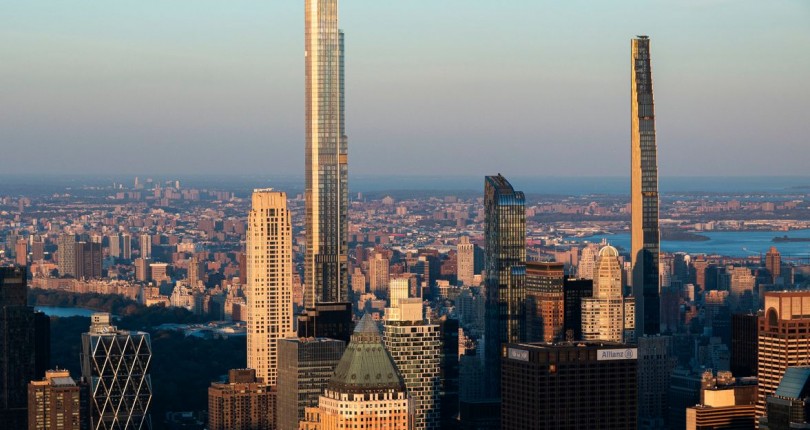
The luxury residential market emerges as a standout performer, defying broader economic jitters with remarkable resilience. Manhattan’s ultra-high-net-worth (UHNW) segment closed 2025 with a flurry of activity: 67 contracts above
4 million signed in just two weeks in October , and 24 deal sexceeding
10 million in a single week post-mayoral election. This momentum stems from three core drivers: cash-heavy buyers insulated from mortgage rate fluctuations, scarcity of turnkey luxury inventory, and unwavering confidence in NYC’s long-term status as a global hub for capital and culture. Unlike previous cycles, political transitions have failed to derail high-end transactions—experienced investors prioritize location, quality, and long-term value over short-term headlines. Areas like NoMad, well-amenitized parts of Midtown, and Upper West Side properties with premium amenities (e.g., co-working spaces, pet facilities, and rooftop lounges) are poised to outperform, as buyers seek convenience paired with elevated living.
For the broader residential market, 2026 brings modest recovery amid lingering affordability challenges. Mortgage rates are projected to stabilize around 6%—a slight decline from 2025’s 6.6% average but still well above pre-pandemic lows. This easing will unlock pent-up demand, particularly among move-up buyers and families, driving a 3-4% increase in home sales volume. However, price growth will remain muted at 1-4%, reflecting a market balancing limited inventory with constrained purchasing power. The most sought-after properties—well-located, renovated homes in neighborhoods with strong school systems and transit access—will continue to attract multiple bids, while older, high-maintenance units may see price stagnation or modest discounts. Brooklyn remains fiercely competitive in established areas, while the Bronx and parts of Queens offer value-add opportunities for investors willing to pursue renovation projects.
Rental markets will experience a nuanced shift in 2026, as a surge in new inventory tempers price growth while reinforcing demand for quality. After years of steep increases, rents are expected to flatten or rise by just 1-2%, giving tenants more negotiating power and options. Stabilized apartments will remain a focal point of policy debates following Mayor Zohran Mamdani’s election on an affordability platform, though experts predict minimal disruption to market fundamentals. The most desirable rental buildings—those offering flexible workspaces, energy-efficient features, and proximity to cultural and dining districts—will maintain high occupancy rates (vacancy below 3% in Manhattan), while older, poorly maintained properties may face increased competition. For many young professionals and Gen Z households, renting will remain the only viable option, as homeownership continues to be out of reach due to high down payment requirements and lingering wage-price gaps.
Commercial real estate stands at the epicenter of transformation in 2026, with office, retail, and industrial sectors following divergent paths. Manhattan’s office market is experiencing a “flight to quality,” as major firms like Jane Street Capital, Guggenheim, and Bloomberg LP expand in Class A buildings, driving down vacancies and pushing rents upward. However, obsolete Class B and C offices face ongoing challenges, with conversions to residential use accelerating as developers capitalize on tax incentives and zoning reforms. Industrial and logistics properties will remain stable, supported by e-commerce demand, though infill locations will command premium valuations compared to suburban warehouses. Retail is seeing a renaissance in experiential and neighborhood-focused spaces, with mixed-use developments integrating dining, entertainment, and shopping driving foot traffic and lease signings.
Investor strategy in 2026 will hinge on diversification and adaptation. Opportunity Zones and bonus depreciation tax benefits will continue to attract capital to targeted neighborhoods, enhancing the feasibility of multifamily and mixed-use projects. Multifamily remains a safe haven, with loan rates stabilizing around 5.2-5.29% for prime borrowers and strong cash flow potential due to low vacancy rates. International investors, particularly cash buyers, are re-entering the market selectively, focusing on core Manhattan assets and premium school district properties that offer long-term value. Distressed assets will present opportunities in late 2026, as capital on the sidelines seeks value in legacy projects facing financing challenges.
In conclusion, 2026 will be a year of contrasts for NYC real estate: luxury residential thriving on confidence and scarcity, middle-market segments recovering gradually, rentals stabilizing, and commercial sectors undergoing structural reinvention. The market’s defining feature will be its divergence—success will depend not on timing macroeconomic cycles, but on identifying micro-market opportunities, prioritizing quality assets, and adapting to evolving buyer and tenant needs. As NYC continues to adjust and innovate, its real estate market remains a resilient barometer of global capital flows, urban vitality, and long-term investor confidence.